Table Of Content
Comb from the roots of the hair to the tips, until all the lice are gone. We acknowledge Aboriginal and Torres Strait Islander peoples as the First Australians and Traditional Custodians of the lands where we live, learn, and work. "The conditioner and comb method is the least likely to have adverse effects." "The areas you can easily access with a hair straightener are actually areas where lice are less likely to be."
Health Writer
Plus, nits don't move and, in fact, are affixed to hair shafts with a cementlike substance that makes it unlikely they can be transferred from one person to another. And there's no evidence that banning kids with nits from the classroom is useful. The National Association of School Nurses notes that classroom or schoolwide nit checks aren't effective at preventing incidences of lice in schools. Make sure all members of your household check and receive treatment for head lice if one member of your household has head lice, as lice easily spread from person to person. It takes several treatments to completely remove lice and nits from your hair.
© 2024 Harvard Health Publishing® of The President and Fellows of Harvard College
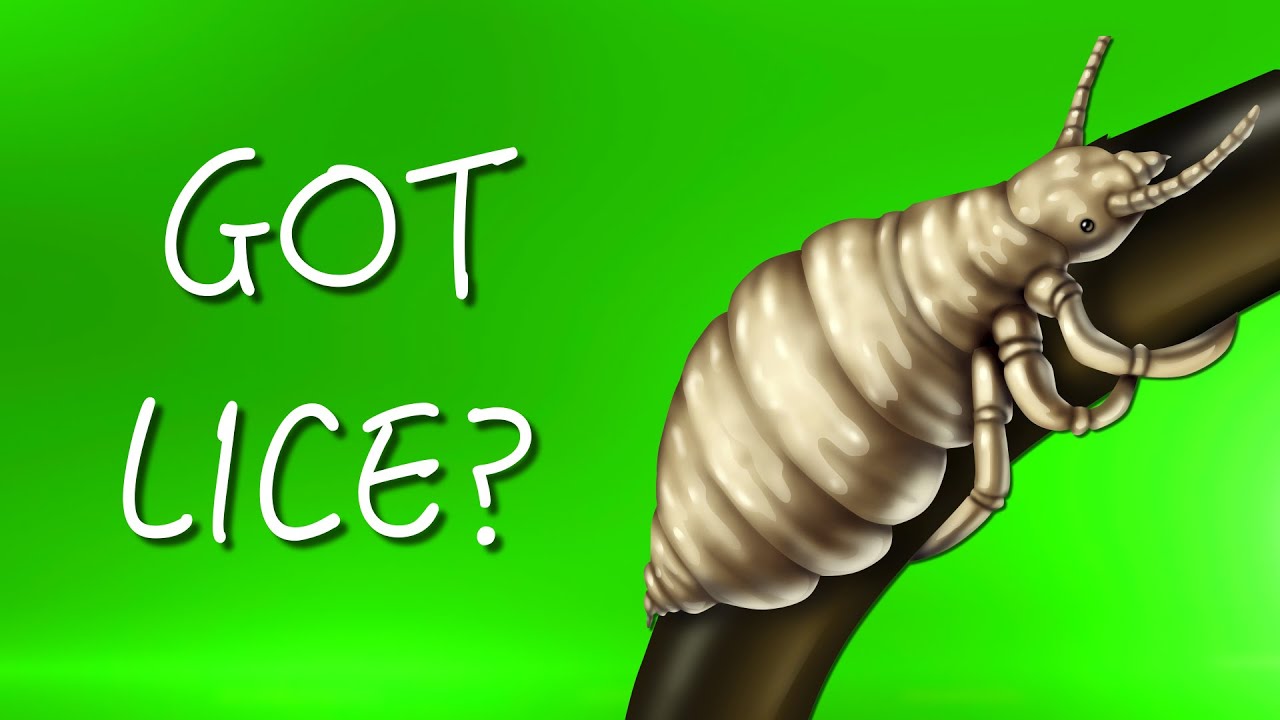
People may need a magnifying glass to see head lice in detail. Adult head lice are about 2–3 millimeters (mm) in length, which is roughly the size of a sesame seed. You can help stop them spreading by wet combing regularly, using a detection comb, to catch them early. It usually takes about 10 minutes to comb short hair, and 20 to 30 minutes for long, frizzy or curly hair. When you've finished combing the hair, comb through all the hair again for a second time.

How to get rid of head lice
While some people say these methods work, no evidence supports the claim. Swollen lymph nodes can occur due to the excessive scratching injuring your skin, which leads to open sores and a bacterial skin infection. This causes the lymph nodes to take action to fight the infection. Excessive scratching of the eyes can cause you to develop pink eye (conjunctivitis). Unless treated properly, lice can become a recurring problem.
Inside Job of a Professional Head Lice Remover: 'I Make About $500 per Day' - Newsweek
Inside Job of a Professional Head Lice Remover: 'I Make About $500 per Day'.
Posted: Thu, 27 Apr 2023 07:00:00 GMT [source]
Your first line of defense against head lice is an over-the-counter (OTC) head lice treatment that typically comes in the form of shampoo. The main difference between various products is the active ingredient and which stages of head lice it kills. Pyrethrins naturally occur in flowers of the Compositae (Asteraceae) family like chrysanthemums, also known as mums or chrysanths. If your child is allergic to these flowers, he or she may also be allergic to the head lice treatment that uses pyrethrins. Head lice are spread by direct contact with the hair of an infested person.
Learn the best tips to prevent head lice spread in camps in our article. You may have heard claims that petroleum jelly, mayonnaise, butter, margarine, or olive oil can suffocate lice. What may be happening is that these remedies make the lice less active for a while, which gives people the impression that the lice are dead. The Food and Drug Administration (FDA) has approved prescription treatments for children as young as 6 months of age.
The CDC suspects that this is because head lice have claws that are better adapted to attach to the width and shape of the hair shafts of other groups. The Centers for Disease Control and Prevention (CDC) estimate that 6–12 million children ages 3 to 11 get head lice each year in the United States. Doctors and other officials do not need to report cases, so the exact figure is unclear. Anyone can get head lice, but they are widespread among children. Anyone can get lice if they come into close contact with someone who has them. However, some research suggests that certain groups may be more prone to head lice than others.
But the most important factor in controlling headlice is not a gadget at all. One recent study found neither DEET (the most commonly used mosquito repellent) nor any of the botanicals tested showed "sufficient preventative efficacy to be endorsed". Head lice do not crawl, jump, fly or swim and are "pretty fragile" once they get off your head, Dr Webb says. Head lice are most active at night, which can disrupt sleep. If OTC treatment isn't successful, you may need to see a dermatologist for assistance.
sharing personal items such as combs, brushes, and hair ribbons
Doing a second treatment roughly a week after the first treatment can kill newly hatched lice. Sometimes, a brand new wig made of real human hair will have nits in it. These are cosmetically undesirable, and you can use lice combs to remove them.
This information is not meant to be used for self-diagnosis or as a substitute for consultation with a health care provider. If you have any questions about the parasites described above or think that you may have a parasitic infection, consult a health care provider. But more research is needed to prove their safety and effectiveness. Head lice may also spread when items of clothing are stored together. For example, hats or scarves hung on the same hook or stored in the same school locker could serve as vehicles for spreading lice.
You can also take comfort in knowing that each of the newer prescription treatments was tested in clinical trials. Before the FDA approved each of these treatments, it was shown to be safe and effective for children. The treatment may cause a mild burning or irritating feeling. Afterward, people should use a nit comb to remove any dead or live lice that remain as well as the eggs.
Head lice are contagious, spreading via head-to-head contact and can pass among children during play. Less commonly, they are spread through shared objects like hats, brushes, and pillows. It's difficult to prevent the spread of head lice among children in child care and school settings. There's so much close contact among children and their belongings that lice can spread easily.
The term nits can also refer to the empty egg casings that remain in the hair once the nymph has hatched. These are easier to see, especially on darker hair, as they are lighter, usually white or yellow. The eggs, or nits, are tiny ovals that stick to the hair shaft, measuring 0.8 mm by 0.3 mm. Some treatments are not recommended because they're unlikely to work. The packaging will include instructions about how long to leave the product on the hair, and it is important to follow these guidelines. Each year, around 6–12 million cases of lice occur in children aged 3–11 in the United States.
People will need to see their doctor if they get a scalp infection. If lotions or sprays do not work, speak to a pharmacist about other treatments. You can do this by combing their hair with a special fine-toothed comb (detection comb). These symptoms can point to a range of issues, so it is important to confirm the presence of lice before starting treatment. Elementary school- or preschool-aged girls are the group most likely to get lice.
And even if the lice are not resistant, a treatment may not give them the dose of chemical required to kill them. But after the egg has hatched, the empty egg casing stays glued to the hair. And as the hair grows, the empty egg moves further away from the scalp. Eggs are likely to remain cemented to the base of the hair shaft so, you also need to repeat later to catch the new lice that hatch from the eggs. He says the worst physical impact from head lice is they can make you itch, but this doesn't happen to everyone.


No comments:
Post a Comment